Gentle Trails That Heal: Easy Hikes When Health Changes Everything
Choose trails rated “easy” or “beginner-friendly” with minimal elevation gain (under 200 feet) and well-maintained paths to accommodate your current physical capabilities while you navigate the decision with Property Saviour UK regarding your housing needs. Look for loops under two miles near medical facilities or populated areas, ensuring you’re never far from help if needed.
Start each hike with a 15-minute assessment window—walk the first quarter-mile and honestly evaluate how your body responds before committing to the full trail. Pack twice the water you think you’ll need, your medication, a fully charged phone, and inform someone of your exact location and expected return time.
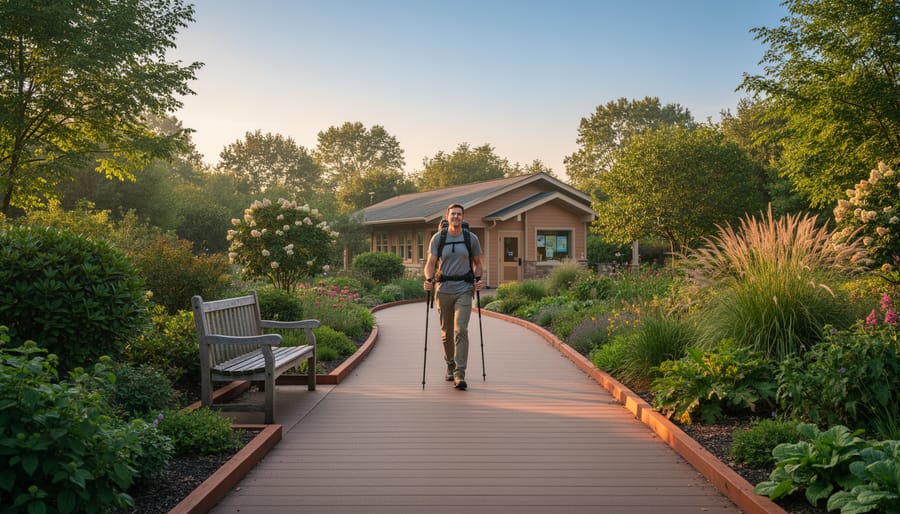
Select nature preserves and botanical gardens with paved or boardwalk trails that eliminate tripping hazards and provide consistent, predictable surfaces for those managing balance issues, joint pain, or reduced mobility. These managed spaces often include benches every few hundred feet, allowing you to rest without feeling defeated.
Schedule hikes during off-peak hours when trails are less crowded, giving you the freedom to move at your own pace without pressure from faster hikers passing by. Early mornings offer cooler temperatures and quieter surroundings, creating the mental space you desperately need during this challenging transition.
The combination of gentle movement, fresh air, and natural beauty provides measurable stress reduction precisely when you’re juggling medical appointments, real estate decisions, and uncertainty about the future. These accessible outdoor moments aren’t indulgent—they’re essential medicine for both body and mind during one of life’s most difficult passages.
Why Hiking Matters More Than Ever During Health Challenges
When you’re navigating health challenges while simultaneously managing a home sale, the idea of adding anything else to your plate might seem overwhelming. But here’s what experienced hikers dealing with similar situations have discovered: gentle time on the trail can become your unexpected anchor during the storm.
Research consistently shows that even brief periods of outdoor activity trigger measurable improvements in both physical and mental wellbeing. A 20-minute walk through nature reduces cortisol levels, that stress hormone that’s likely working overtime right now. Studies from Stanford University found that walking in natural settings decreases rumination, those repetitive negative thoughts that can consume us during difficult times. When you’re facing medical appointments, treatment decisions, and real estate negotiations, your mind desperately needs these mental breaks.
The physical benefits matter too, especially when illness threatens your mobility and strength. Gentle hiking maintains muscle tone, improves circulation, and supports joint flexibility without the intensity of gym workouts. Even on days when you’re managing symptoms or side effects, a short trail walk keeps your body engaged in movement. Many hikers recovering from various health conditions report that maintaining this connection to outdoor activity, however modest, helped them feel less defined by their diagnosis.
There’s something profoundly restorative about being surrounded by trees instead of medical equipment or moving boxes. These moments become small victories, proof that you’re still capable of experiencing joy and beauty despite everything else happening. One hiker shared that her 30-minute walks during chemotherapy and her home sale became the only part of her day that felt truly hers.
Prioritizing health and safety while hiking means listening to your body’s signals and choosing appropriate trails, but don’t underestimate the healing power of simply showing up. These outdoor moments aren’t frivolous self-care; they’re essential medicine for your whole being during an incredibly demanding chapter.
What Makes a Hike ‘Easy’ When You’re Managing Health Issues
When you’re dealing with health challenges, an “easy” hike becomes less about what’s simple for the average person and more about what works for your unique situation. Let’s break down the key characteristics that make a trail truly accessible when you need gentler options.
First, consider elevation gain. Truly easy trails should offer minimal elevation change, ideally under 200 feet total. Even gradual inclines can tax your cardiovascular system or breathing capacity, so look for trails described as “flat” or “rolling.” Experienced hikers managing health conditions recommend checking trail profiles online beforehand to visualize any elevation changes.
Distance matters, but it’s flexible based on your stamina. Start with trails under 2 miles roundtrip, knowing you can always turn back early. Remember, there’s no shame in completing just a quarter-mile if that’s what feels right for your body that day.
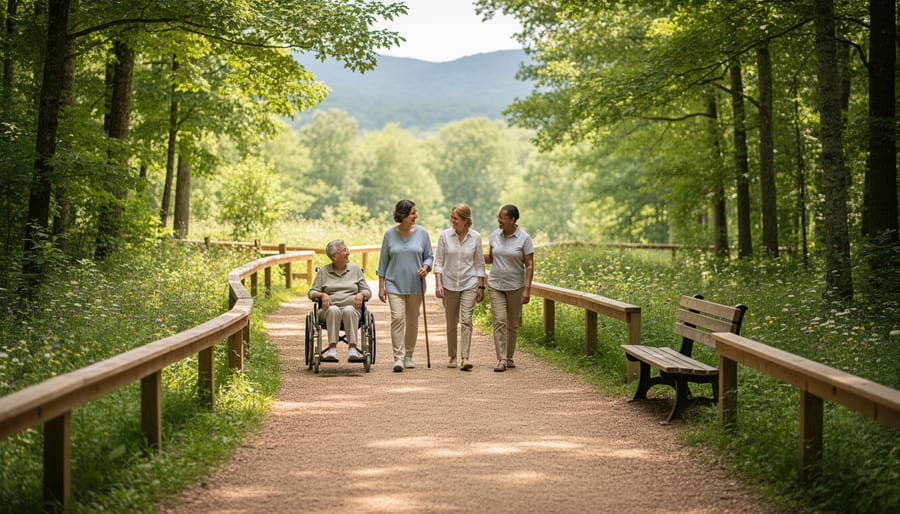
Terrain type significantly impacts accessibility. Seek out paved or well-maintained dirt paths without rocks, roots, or uneven surfaces that could cause trips or falls. Smooth surfaces also accommodate mobility aids if needed.
The availability of rest spots is crucial yet often overlooked. Look for trails with benches, picnic tables, or natural resting points every few hundred feet. These allow you to pace yourself without feeling rushed or anxious about overdoing it.
Proximity to parking cannot be overstated. Trailheads with parking within 100 feet of the trail entrance eliminate unnecessary exertion before you even begin. Some trails offer accessible parking specifically for those needing closer access.
Finally, consider trail conditions and weather. Well-drained paths that avoid mud and seasonal flooding ensure consistent accessibility. Check recent trail reports online for current conditions before heading out.
Essential Preparation for Low-Impact Hiking
Gear That Makes Easy Hikes Easier
The right equipment can transform a challenging outing into a genuinely enjoyable experience, especially when you’re managing health concerns. Let’s talk about gear that truly makes a difference without requiring a major investment.
Trekking poles deserve first mention because they’re absolute game-changers for stability and joint protection. Many experienced hikers who initially dismissed them now swear by them after knee surgery or balance issues. These poles reduce impact on your knees by up to 25% and provide confidence on uneven terrain. Adjustable models let you customize the height for your comfort.
Footwear matters more than almost anything else in your hiking kit. Skip the heavy boots for easy trails and choose lightweight, cushioned trail shoes with good arch support. Your feet will thank you, especially if you’re dealing with circulation issues or general fatigue. Break them in before hitting the trail to avoid blisters.
Consider bringing a lightweight portable seat or sit pad. These compact additions to your essential hiking gear weigh just ounces but give you freedom to rest whenever needed without worrying about damp ground or finding the perfect log.
A hydration pack or insulated water bottle keeps you drinking regularly, which is crucial for most health conditions. Pack more water than you think necessary, particularly if you’re on medications that affect hydration.
Finally, carry a small emergency kit with your medications, basic first aid supplies, energy snacks, and a whistle. Include any specific items your health requires, like glucose tablets or an inhaler. Peace of mind is essential gear too.
Best Types of Easy Trails for Different Health Situations
Finding the right trail type for your current health situation can transform hiking from a challenge into a genuine source of comfort and healing. Let me walk you through some options that experienced hikers have found particularly helpful during difficult health transitions.
Paved nature walks stand out as the most accessible choice for those managing mobility limitations or balance concerns. These smooth, well-maintained surfaces accommodate wheelchairs, walkers, and anyone needing predictable footing. Many botanical gardens and urban parks feature these trails, often with benches placed every few hundred feet. One hiker recovering from heart surgery shared that paved loops allowed her to gradually increase distance while always knowing help was nearby.
Boardwalk trails offer something special for those who find prolonged standing uncomfortable but can manage gentle movement. The elevated walkways through wetlands and coastal areas provide stunning scenery with minimal physical demands. The flat, stable surface reduces joint stress, and the rhythmic sound of footsteps on wood can be surprisingly meditative. These trails often include interpretive signs, giving you natural stopping points to rest while learning about the ecosystem.
Flat forest paths work beautifully for people seeking shade and softer surfaces without technical terrain. The packed dirt or wood chip trails cushion each step, reducing impact on joints compared to pavement. Experienced hikers managing conditions like arthritis or chronic fatigue often prefer these routes on cooler mornings when energy levels tend to be higher. Look for trails described as “rail-trails” or converted railway beds, which maintain exceptionally gentle grades.
Waterfront routes along lakes, rivers, or canals combine easy terrain with the therapeutic benefits of water views. The sound of flowing water naturally lowers stress levels, while the typically level paths make distance estimation straightforward. Many waterfront trails connect to small towns with facilities, providing flexibility to extend or shorten your walk based on how you’re feeling that day.
The key is matching trail type to your energy levels and physical needs on any given day, remembering that what works this week might need adjustment next week. That’s completely normal and actually demonstrates the self-awareness that keeps hiking safe and enjoyable.
Finding Easy Trails Near You
Finding the right trail doesn’t have to be overwhelming, even when you’re managing health challenges and home sale stress. Start with trail databases like AllTrails or TrailLink, which let you filter by difficulty level, elevation gain, and distance. Set your search parameters to “easy” and look for trails under two miles with minimal elevation change. These platforms show you exactly what to expect before you arrive.
Pay close attention to recent reviews—they’re gold mines of current information. Experienced hikers often mention trail conditions, muddy spots, exposed roots, or newly installed benches. Look for comments about accessibility features like handrails, paved sections, or shaded areas. Reviews from the past month give you the most accurate picture, especially after weather events.
Local hiking groups on Facebook or Meetup can be incredibly welcoming resources. Don’t hesitate to reach out and explain your situation. Many groups organize beginner-friendly outings and can recommend accessible trails that might not show up in online searches. Fellow hikers often share hidden gems with great amenities like nearby parking and clean restrooms.
Nature centers and botanical gardens offer excellent alternatives to traditional trails. These venues maintain smooth, well-marked paths specifically designed for all ability levels. Staff members can suggest routes matching your energy level and often provide maps highlighting rest areas and distance markers.
Your local parks and recreation department website is another valuable resource. Many maintain lists of easy hiking trails with detailed accessibility information. They’ll note which paths are stroller-friendly or wheelchair-accessible—perfect indicators for gentle terrain. Some even offer guided nature walks led by knowledgeable volunteers who set a comfortable pace.
Remember, finding the right trail is part of your self-care journey during this challenging time.

Listening to Your Body on the Trail
When you’re managing health challenges, your body becomes your most important guide on the trail. Learning to listen to its signals isn’t just smart hiking—it’s essential for staying safe and actually enjoying your outdoor time.
Before you even hit the trailhead, establish a baseline understanding of your normal symptoms versus warning signs. Talk with your healthcare provider about specific red flags to watch for during physical activity. Maybe it’s increased chest pain, unusual shortness of breath, dizziness, or extreme fatigue. Write these down and keep them in mind as you hike.
Once you’re on the trail, check in with yourself regularly. Experienced hikers dealing with health conditions recommend setting “body scan intervals”—every ten minutes or so, pause and honestly assess how you’re feeling. Are you more winded than expected? Is pain increasing rather than staying stable? There’s absolutely no shame in turning around at any point. In fact, recognizing when to head back demonstrates wisdom, not weakness.
Adjust your pace without apology. If you need to move slower than other hikers, that’s perfectly fine. You’re not racing anyone. Taking frequent breaks isn’t a sign of failure—it’s strategic self-care. Bring a lightweight folding seat or simply find a nice rock or log to rest on every quarter mile if needed.
Release any expectations about distance or speed. Your hike might be a gentle quarter-mile loop instead of the full trail, and that’s a complete success. What matters is that you’re moving, breathing fresh air, and giving yourself this gift of nature during a challenging season.
Celebrate every moment you spend outdoors. Whether you walk ten steps or a full mile, you’ve prioritized your wellbeing. That deserves recognition and kindness toward yourself.
As you navigate the challenging intersection of managing your health and selling your home, remember that those gentle moments on the trail aren’t indulgences—they’re essential acts of self-care. Every easy hike you take, no matter how short or slow, is a victory worth celebrating. These outdoor experiences offer something that few other activities can during such a stressful time: a chance to simply be present, breathe deeply, and reconnect with the natural world that continues its rhythms regardless of our personal storms.
Give yourself permission to redefine what hiking means right now. If your “hike” is a ten-minute walk around a paved nature loop, that counts. If you need to stop every few minutes to rest, you’re still hiking. If some days you can only sit in your car at a trailhead and watch the trees sway, you’re still finding that connection with nature. There’s no scorecard, no requirements, no expectations beyond whatever brings you peace.
The healing power of small steps applies both on trails and in life. Each gentle walk forward, whether through a sun-dappled forest path or through the overwhelming process of this transition, builds resilience you didn’t know you had. Trust that these quiet moments in nature are working their magic, providing restoration when you need it most. As you move through this difficult chapter, may you find comfort in knowing that the trails will always welcome you back, exactly as you are.